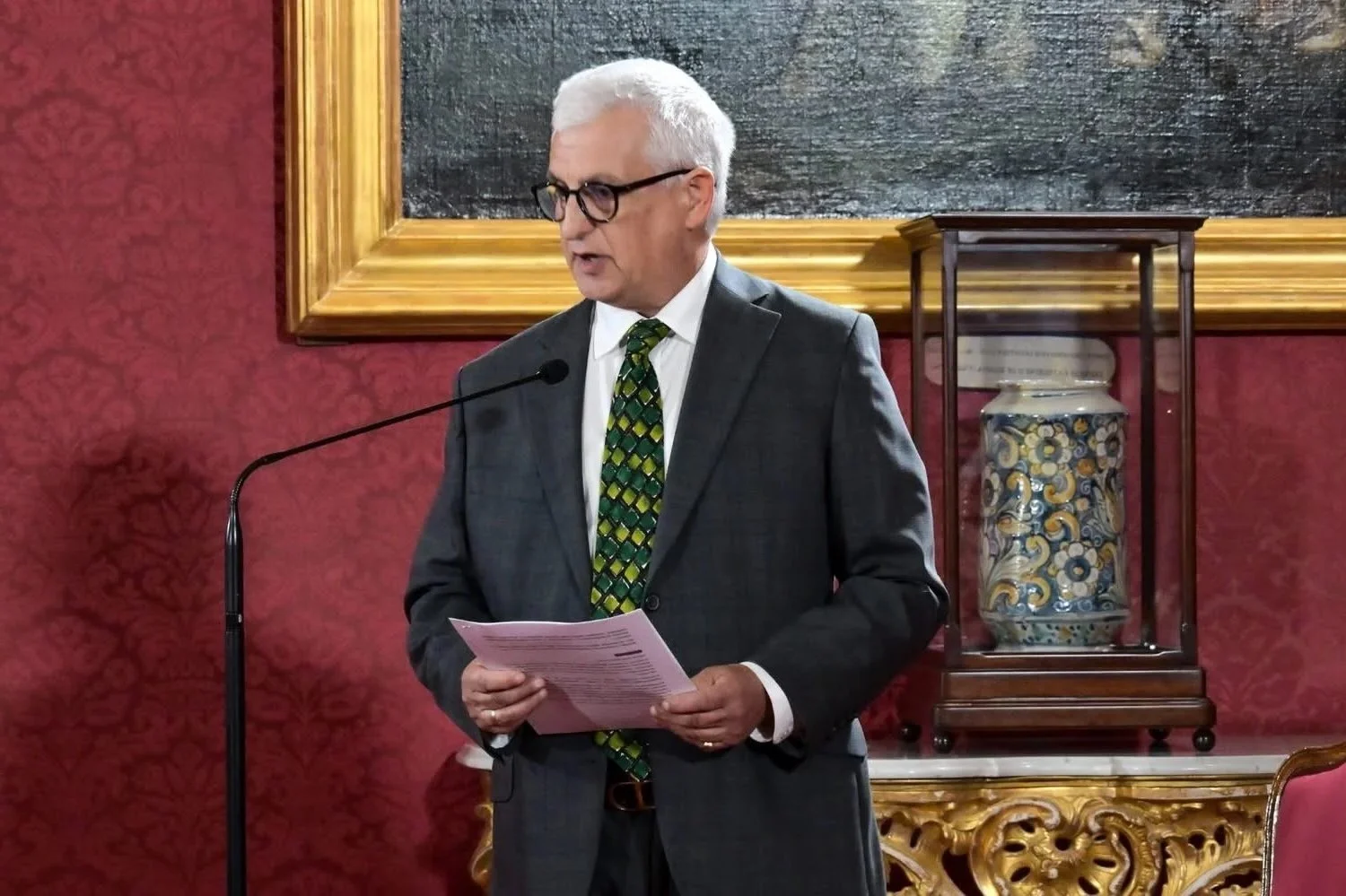
The office of Honorary Consul is recognised by international law under the Vienna Convention on Consular Relations 1963, codifying long standing conventions and diplomatic practice.
The importance of Honorary Consuls lies in their ability to bridge geographical gaps, providing immediate essential services to citizens of the Sending State, whilst promoting and deepening economic, scientific, social, cultural and sporting ties.
Honorary Consuls have the distinct advantage of deep local knowledge and established networks, granting diplomatic footprint to the Sending State for minimal financial outlay.
In an age of ever increasing globalisation, worker mobility, decentralised commerce and global travel, the role of Honorary Consuls is hardly symbolic, but rather operationally essential.
Honorary Consuls serve as vital cost-effective extensions of a nation’s diplomatic mission, performing critical on-the-ground duties in regions or even countries where maintaining a full embassy or career consulate is not feasible.
This reality becomes further accentuated by ever increasing cost cutting measures applied no less within the diplomatic service, coupled with much more effective channels of communication as we enter into the era of artificial intelligence.
The demands made on Honorary Consuls, who provide their services provided on a volunteer basis, are therefore only forecast to intensify.
—
Dr Kevin Dingli
Dean, Honorary Consular Corps of Malta
Honorary Consuls are essential.